Blood Pressure
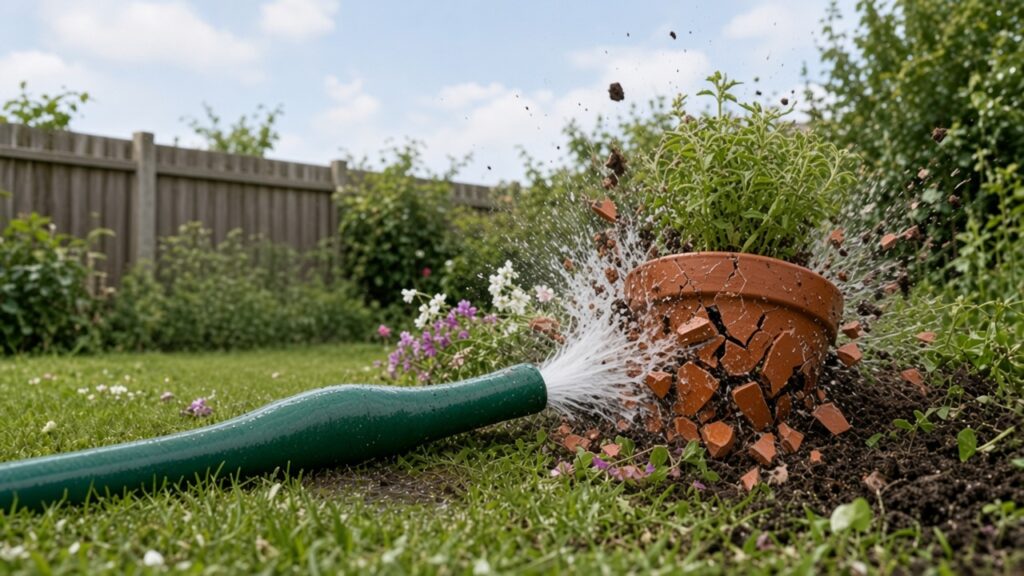
The pressure of blood in the blood vessels is generated by force of contraction of the heart, blood volume and resistance in the walls of the blood vessels. It ensures that blood reaches every part of the body. When the blood pressure is low, tissues can be inadequately perfused. And if the blood pressure is high, it can damage the tissues.
The most common cause of high blood pressure is increased resistance in the blood vessels which means stiffening and narrowing of the walls of the blood vessels. This is due to constriction of blood vessels by hormones, cholesterol deposits, toxin build up and inflammation.
How high blood pressure harms the body?
High blood pressure/hypertension develops slowly and insidiously over months and years.
It can present with little to no symptoms or with debilitating and life threatening signs.
High pressure of blood in the blood vessels can be compared to high pressure of water in a constricted hose pipe. Hose pipes can be damaged by high pressure water in the long run and water pressure jets can cause instant damage on contact. The same rationale can be applied to our body.
ust as a high pressure waterjet can injure a person and break objects on contact, high pressure blood can damage the tissues it touches.
Here are some common presentations of a high pressure:
Headaches, seizures, strokes, brain bleeds
Can damage retina in the eyes which affects vision
Nose bleeds
Can tear blood vessels to cause life threatening hemorrhage (dissection)
Heart attacks, abnormal heart rhythms like atrial fibrillation
Can damage kidneys to cause acute or chronic failure.
The most comm
But what is constricting or narrowing your blood vessels and what can you do?
Toxins and fats that have dried up in the walls of the blood vessels cause narrowing of the blood vessels. They trigger inflammation which stiffens and damages the blood vessels. The turbulent blood flow in narrow blood vessels + inflammation can trigger the formation of clots which further narrows or can totally block the flow of blood.
Poor quality of food, excess food intake, poorly digested food due to weak digestion and lack of physical activity are the most common causes of toxin build up in the body.
Foods that help to strengthen digestion, detoxify and repair blood vessels can help to achieve healthy blood pressure.
Fresh mint leaves, Rosemary, Thyme
Carrots, baby radish, peas, beans
Oats, barley
Honey
Lime
Cardamom
Ginger
Physical activity
The sympathetic nervous system and many hormones such as adrenaline, noradrenaline, renin, angiotensin, aldosterone act on the smooth muscles of blood vessels to constrict the blood vessels.
While these are natural biological mediators, excess sympathetic stimulation and circulating levels of these hormones can increase the blood pressure by inadvertently squeezing the blood vessels.
Most blood pressure medications work by countering the squeeze effect of these hormones to relax/expand the blood vessels, thus lowering the blood pressure. But the medications often wear off in 12-24 hours, causing the abnormally high hormones to increase the blood pressure again. Sleep regulates the nervous system to ensure normal blood pressure. Sunshine and warmth pacifies the sympathetic nervous system, upregulates cAMP and balances many hormones to maintain normal blood pressure. Emotional regulation and sound mental health lowers stress hormones such sympathetic stimulation..
This is equivalent to adding more water in an already high pressure system with malfunctioning outlet. Chronic kidney disease is a classic example. Retention of fluid in the blood due to decreased elimination of fluids by failing kidneys can cause dangerously high blood pressure. Dialysis lowers the blood pressure and provides instant relief by removing excess fluids.
How do we protect you from high blood pressure?
There exists a simple lifestyle prescription for you to support your body’s remarkable ability to regulate and optimise your blood pressure. Whether you’re looking to prevent, manage or reverse high blood pressure, it is the most effective way forward.
Eat according to hungry and appetite
Eat naturally tasteful and freshly prepared meals with whole foods
Foods that improve digestion, reduce congestion, dryness and airiness in the body are particularly helpful such as:
Food
Ginger
Cardamom
Mint, rosemary, thyme
Lime
Carrots, peppers
Well cooked beans, moong, cauliflower
Small quantity of walnuts, almonds, cashews, sunflower, pumpkin seeds
Sleep
Sleep calms the sympathetic nervous system and relaxes blood vessels to reduce blood pressure. Sleep is also essential to fight inflammation, improve immunity and repair blood vessels and tissues. It is why blood pressure is at its lowest in deep restful sleep.
Sleep also makes the body and mind resilient to triggers by increasing vagal tone which counteracts sympathetic stimulation to keep the body pacified.
When sleep is poor due to stress or other disruptors, this valuable protection is naturally lost.
Physical activity lowers the blood pressure through various mechanisms.
Such as:
– By detoxifying the body
– Relieving congestion and inflammation.
– This makes the body feel lighter.
– Improving circulation and
– Strengthening heart, blood vessels and tissues.
– Reduces sympathetic outflow to relax the blood vessels and the whole body. It makes you feel calm and strong.
– Promoting naturally restful sleep
– Both cardio and strength training are great for your blood pressure.
Some studies have shown strength exercises such as wall squats to be most effective to lower pressure.
Synchronized breathing with plank or wall squats amplifies this positive effect.
Regular blood pressure checks + awareness of what makes your body feel best will help you understand your body and choose the most suitable strategy for you.
Sunshine
Exposure to sunshine signals body cells to release cAMP which reduces sympathetic stimulation and lowers blood pressure.
Exposure to sunshine regulates evening rise of melatonin to induce good quality sleep which is greatly beneficial to lowering blood pressure.
All metabolic processes such as digestion, assimilation and circulation are improved by sunshine which help maintain healthy blood pressure.
Our breathing patterns are intimately connected to blood pressure. The science of yoga refers to it as Pranayama, which means life force regulation.
Breathing/Pranayama
Our breathing patterns are intimately connected to blood pressure. The science of yoga refers to it as Pranayama, which means life force regulation.
Oxygen
Carbon dioxide
Hydration
Mental health
Dehydration is a well known cause of low blood pressure.
Fluid retention as a result of liver, kidney or heart problems is a well recognised cause of high blood pressure.
Acute stress, anger and anxiety activate the sympathetic nervous system to increase the blood pressure.
Chronic stress significantly increases cortisol which weakens the blood vessels.